Trust-Based Philanthropy
Trust-based philanthropy has gained significant attention as a strategy to address power imbalances between funders and grantee partners. It goes beyond unrestricted grants and simplified paperwork—it’s about recognizing and tackling power dynamics between nonprofits and donors in service of a healthier, more equitable and impactful nonprofit sector.
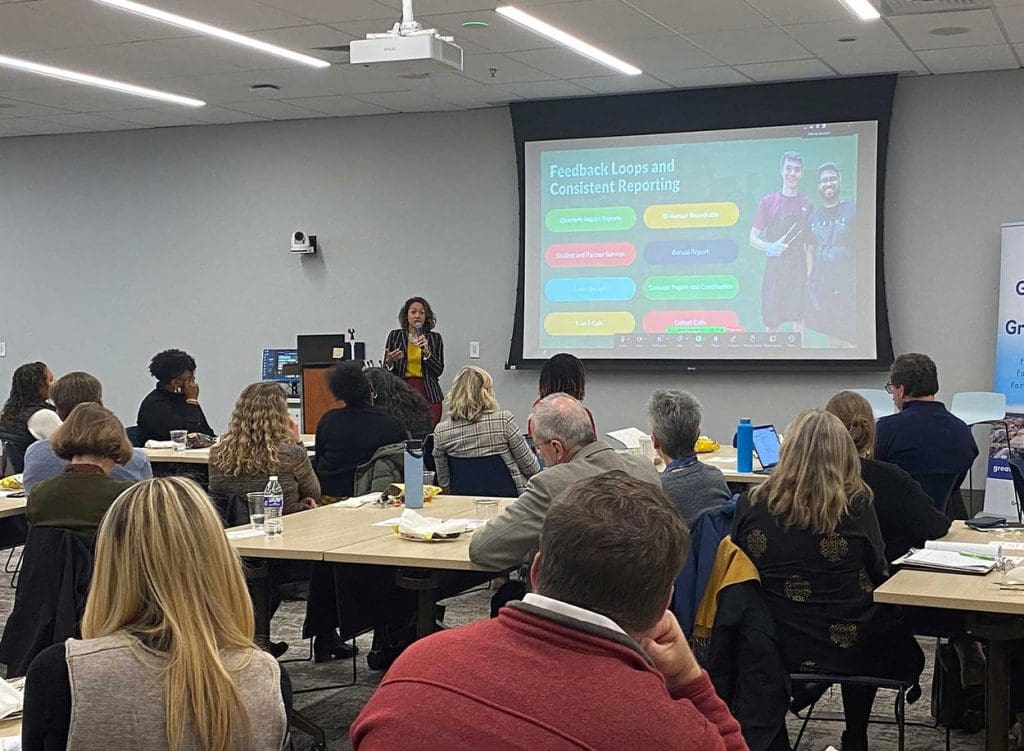
In this funder learning session, we explored what it means to approach grantee relationships as learning partnerships – not only in grantmaking practices but also in our values, culture, and leadership – and how skeptics can be brought into trust-based philanthropy.
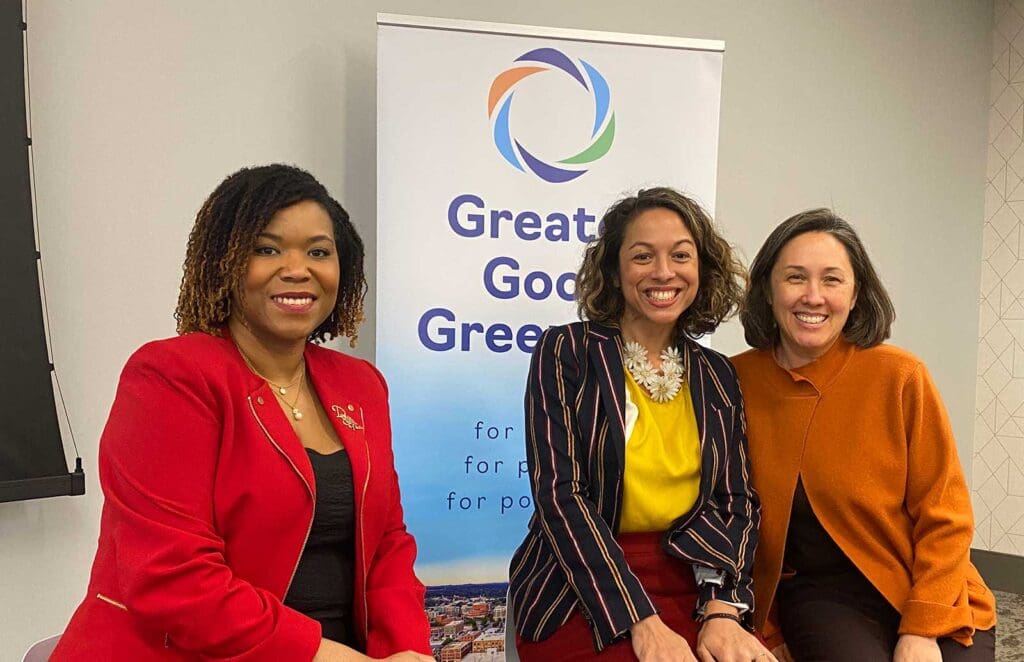
This event was generously sponsored by the Jolley Foundation. Presenters included Rashanda Freeman, former Director of Audience Engagement for the Trust-Based Philanthropy Project; Mailee Walker, Executive Director of the Claneil Foundation, and Regina Harmon, Executive Director of Food Recovery Network.
Unlike conventional philanthropy, they shared, trust-based philanthropy begins with an organization’s core values and focuses on four dimensions:
- Practices: What you do and how you show up as a grantmaker
- Culture: Your organization’s general way of being
- Structure: Hierarchies, systems, protocols, policies and technology
- Leadership: The ability to inspire and align around shared values
The session concluded with a thoughtful Q&A discussion on the challenges and opportunities that trust-based philanthropy presents.